


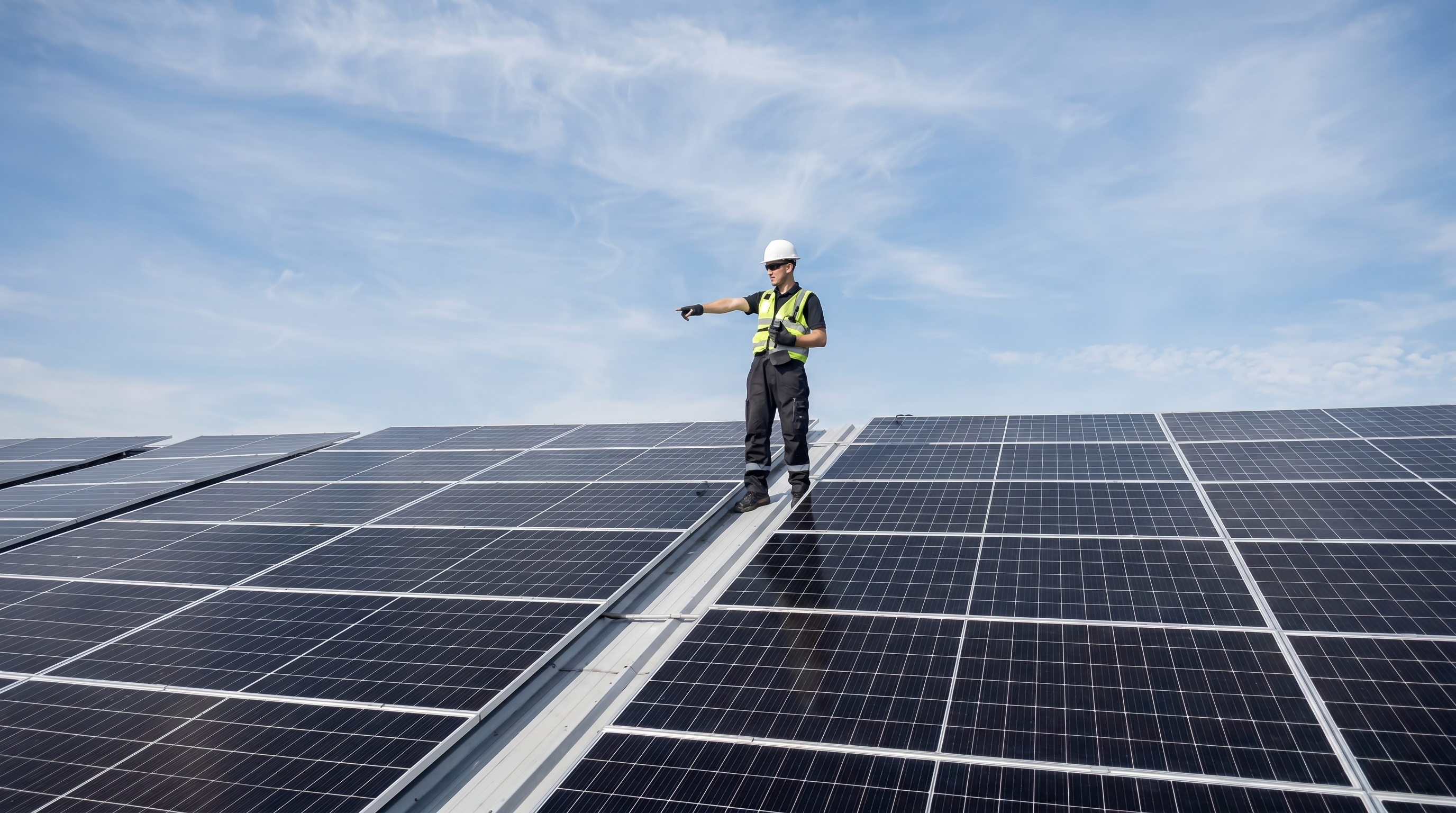

India is experiencing a massive shift toward renewable power. With rising electricity bills and frequent power cuts, more homeowners and businesses are installing rooftop solar systems to reduce electricity costs and gain energy independence.
The demand for solar energy in India has grown rapidly due to government subsidy programs, net metering benefits, and falling solar panel prices. Professional solar companies like
Techtify Solar Solutions
are helping homes and industries adopt smart solar power systems.
In this detailed guide, you’ll learn everything about solar plant installation, rooftop solar cost, solar subsidy, and how to get zero electricity bills in India.
Electricity tariffs in India increase every year. For many households, monthly bills have doubled in the last decade. Solar power is now cheaper than grid electricity.
India targets 500 GW renewable energy by 2030. Rooftop solar is the biggest contributor to this goal.
The cost of solar panels has reduced by over 70% in the last 10 years, making solar affordable for middle-class families.
A solar power system converts sunlight into usable electricity using photovoltaic panels.
Capture sunlight and generate DC electricity.
Converts DC electricity into AC electricity for home use.
Holds panels securely on the roof.
Tracks electricity exported and imported from the grid.
Stores excess energy for night use.
Most popular choice for homes and offices.
Benefits:
Ideal for remote areas with no electricity supply.
Benefits:
Combination of on-grid + battery storage.
Best for:
A rooftop solar system is installed on the terrace or roof of a building to generate electricity from sunlight.
Instead of paying monthly electricity bills, you generate your own power.
Solar power can cut electricity bills drastically.
Example:
Over 25 years, savings can exceed ₹25 lakhs.
Government subsidy makes solar affordable for homeowners.
| System Size | Subsidy Amount |
|---|---|
| 1–2 kW | 40% subsidy |
| 3 kW | Up to ₹78,000 |
| 10 kW | Up to ₹94,800 |
This reduces the initial investment significantly.
Net metering allows you to sell extra electricity back to the grid.
How it works:
End result → Minimal electricity bill.
Solar panels last:
This makes solar one of the best long-term investments.
| System Size | Cost Before Subsidy | Cost After Subsidy |
|---|---|---|
| 1kW | ₹70,000 | ₹45,000 |
| 3kW | ₹2.1 lakh | ₹1.3 lakh |
| 5kW | ₹3.5 lakh | ₹2.5 lakh |
| 10kW | ₹6–7 lakh | ₹5 lakh |
ROI period: 3–5 years
After that → Free electricity for 20+ years.
| Monthly Units | Solar System Size |
|---|---|
| 100–150 units | 1 kW |
| 200–300 units | 2 kW |
| 400–600 units | 3–5 kW |
| 700+ units | 10 kW |
| System | Roof Area Needed |
|---|---|
| 1 kW | 100 sq ft |
| 3 kW | 300 sq ft |
| 5 kW | 500 sq ft |
| 10 kW | 1000 sq ft |
Benefits:
Businesses gain even more benefits:
Industries using solar:
Solar battery storage is becoming popular in India.
Lithium batteries are now the most popular option.
Kerala is becoming a hotspot for solar adoption.
Thousands of homes are switching to solar every year.
Roof inspection and load analysis.
Custom solar plant design based on energy usage.
Government approval and documentation.
Professional solar panel setup.
Connection to electricity grid.
Start generating your own electricity.
Installation time: 2–4 weeks
Fact: Panels still generate electricity in cloudy weather.
Fact: Subsidy + savings make solar cheaper than electricity.
Fact: Monthly cleaning is enough.
Fact: Proper installation protects the roof.
Upcoming trends:
Solar will soon become standard in new homes.
Installing solar requires:
Working with experts ensures:
YES — More than ever.
Solar energy provides:
✔ Huge electricity savings
✔ Government subsidy support
✔ Energy independence
✔ Eco-friendly living
✔ High ROI investment
Installing a solar rooftop system today means 25 years of free electricity.
Solar energy is no longer a luxury — it is a necessity. With rising electricity costs and strong government support, this is the best time to invest in a rooftop solar system or solar plant.
Whether for homes or businesses, solar power is the smartest and most profitable energy solution in India.